
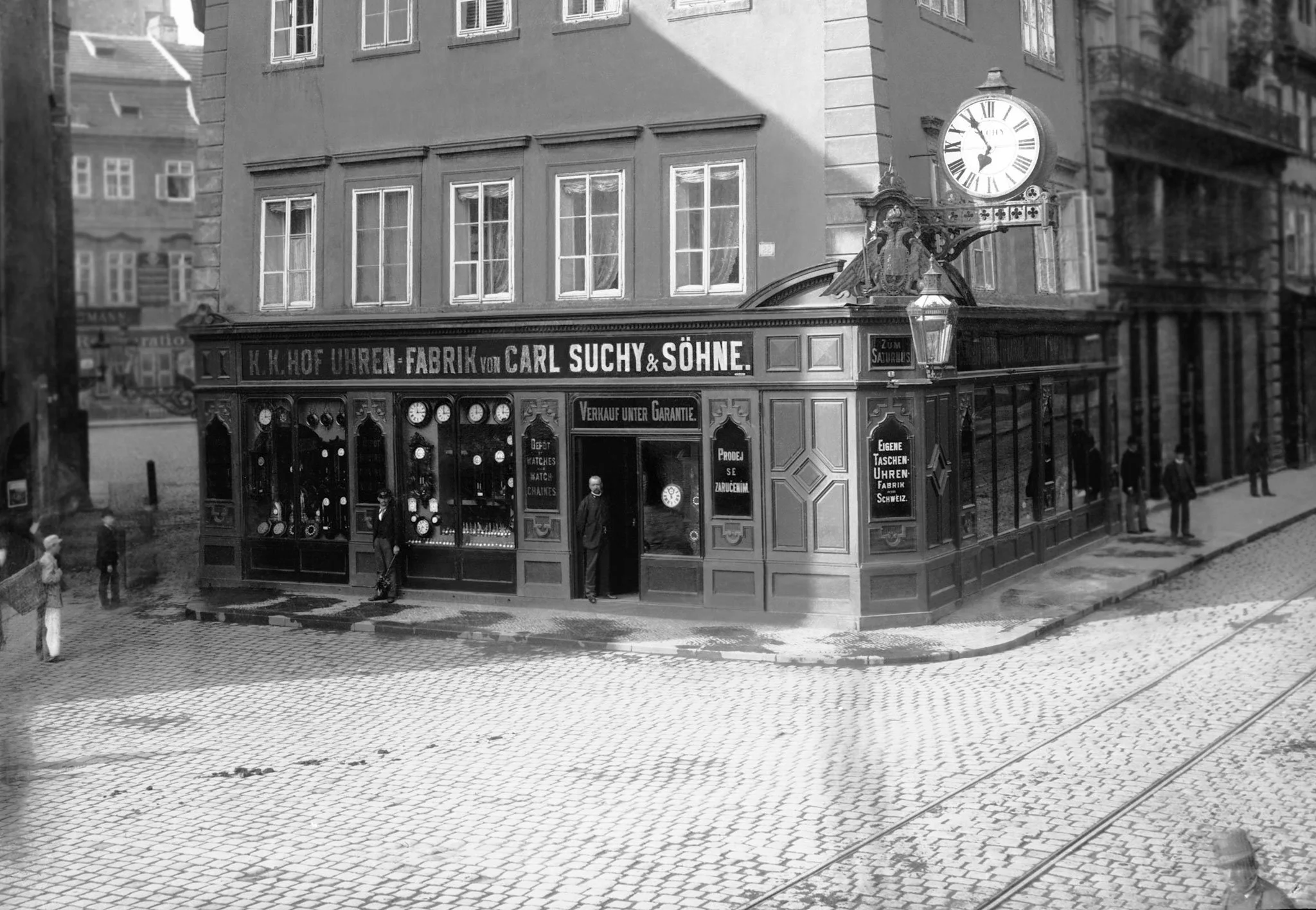

Carl Suchy & Söhne – Purveyor to the Royal Court since 1822
200 years ago, in the Austro-Hungarian Empire there was only one address for luxury watches: Carl Suchy & Söhne. The watchmaker and accredited purveyor to the court stood for perfect quality, precision, and timeless elegance. Aristocrats, artists, industrials, and even Emperor of Austria, Franz Joseph I, were amongst his customers. Now, we are celebrating the comeback of this exclusive brand.
Carl Suchy, born in Prague in 1796, soon takes a life-changing decision: he becomes a watch- making apprentice. After seven wandering years in Germany, Suchy returns to Prague and opens a clock manufacturer in 1822. His goal, associating his passion for precision and design with his name, is achieved with the help of his four sons. With their entry into the business, Carl Suchy & Söhne soon becomes the most important watchmaker of the Austro-Hungarian Monarchy. The oldest son Carl Suchy Junior establishes a pocket watch factory in the Swiss Watch Valley “La Chaux-de-Fonds,” while his younger brother Hans opens a store in the historical center of Vienna. Suchy watches are desired objects across Austria’s borders, delight visitors and the press at world fairs such as Paris, and are essential accessories at the royal courts, aristocratic estates, and the salons of Austria’s intellectual elite. Carl Suchy & Söhne is firmly positioned as Austria’s leading watchmaker before an involuntary creative break that started around 1914.
In 2016 Carl Suchy & Söhne is reestablished – the only luxury watch brand that combines Viennese elegance and Swiss precision.
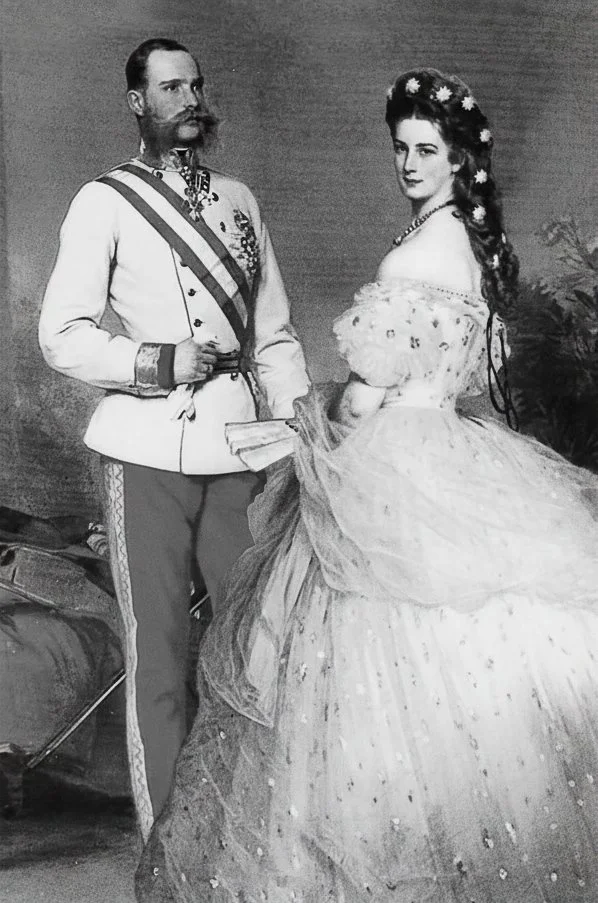
Kaiser Franz Joseph and Empress Elisabeth (Sisi) of Austria — imperial poise and romantic legend
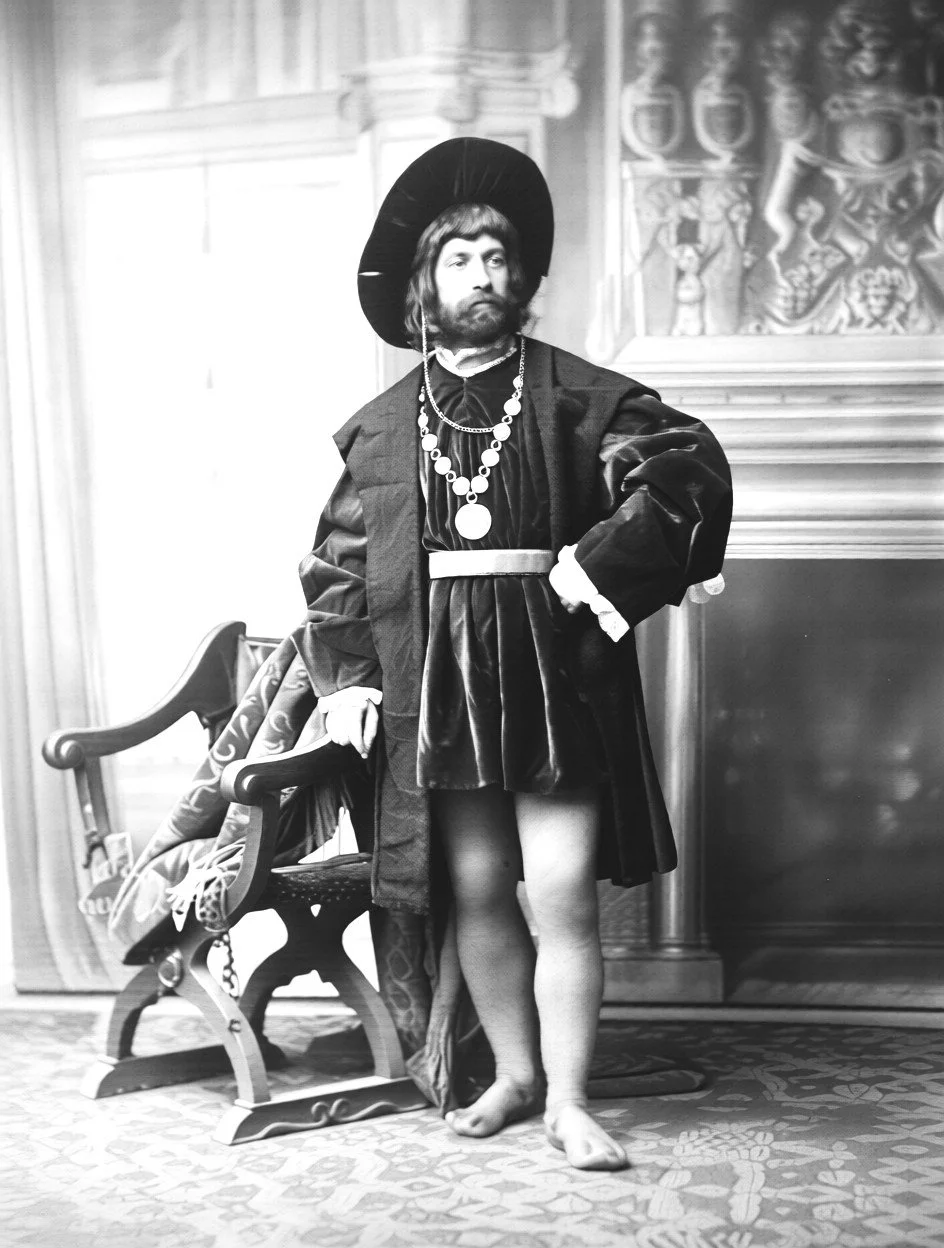
Carl Suchy Jr. attending the 20th wedding anniversary of Emperor Franz Joseph I of Austria and his wife, Empress Elisabeth (Sisi) in 1879.
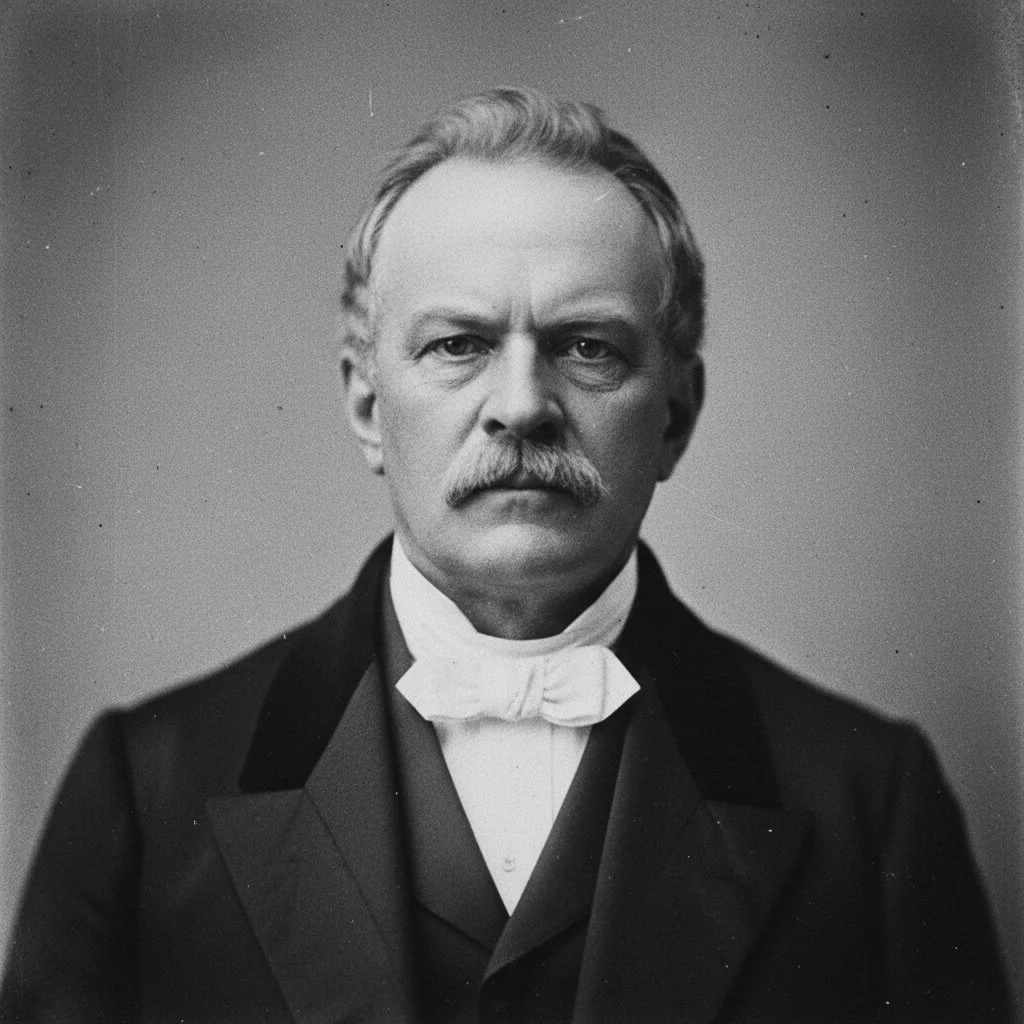
Carl Suchy
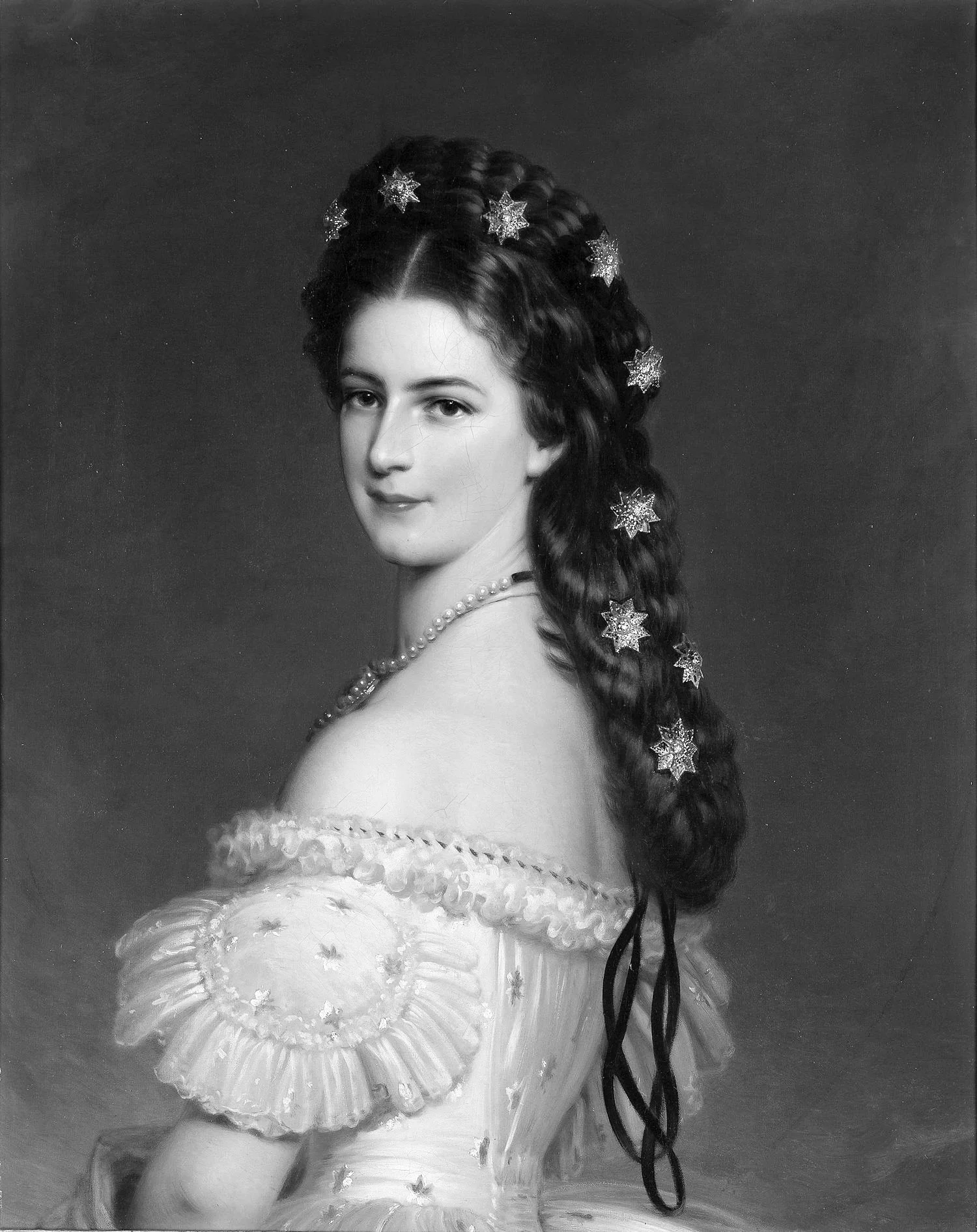
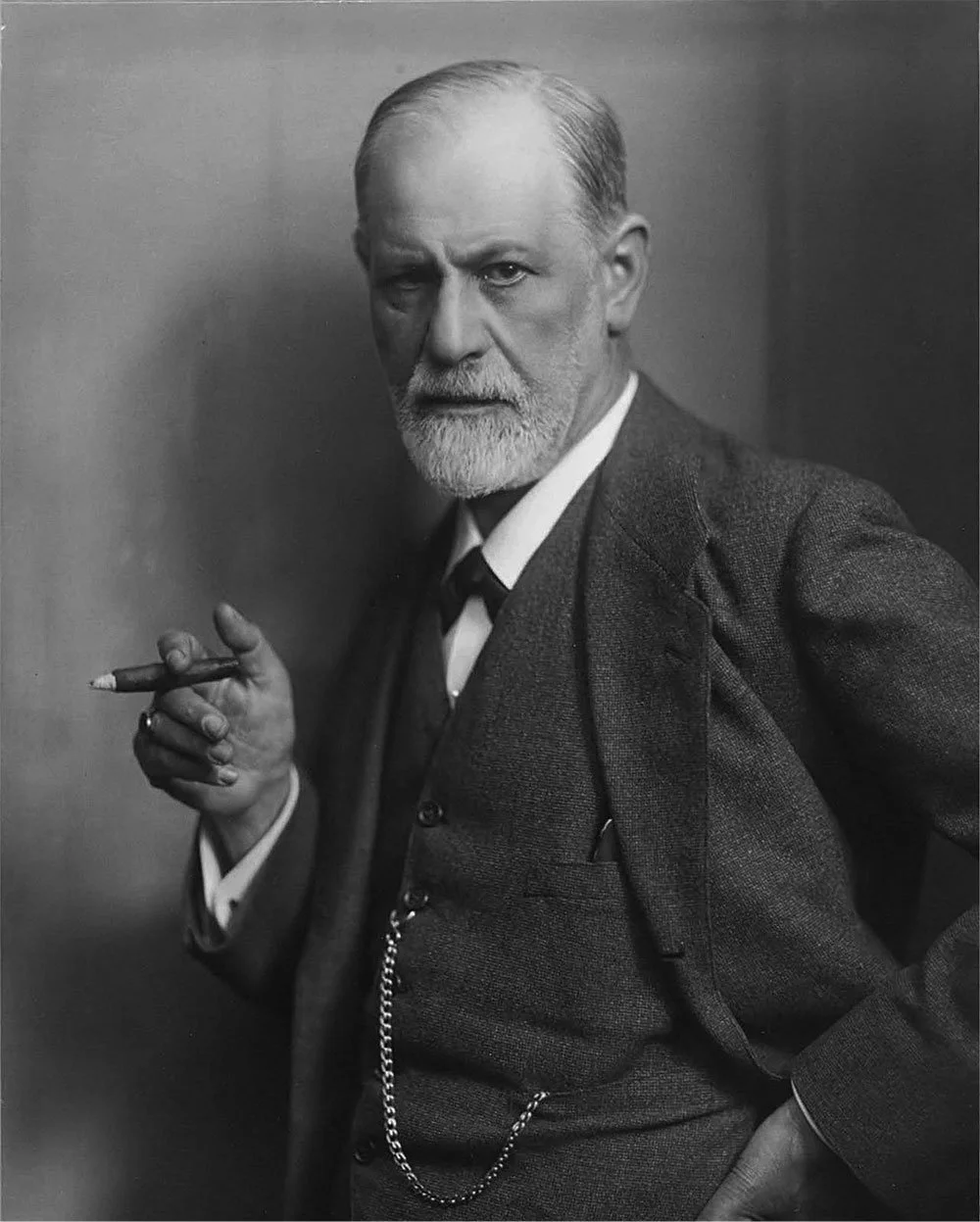
Two of Carl Suchy’s most famous clients were Austrian Empress Elisabeth—affectionately known as Empress Sisi—and the renowned Austrian psychoanalyst Sigmund Freud.
Combining
Viennese Elegance
and Swiss Craftmanship
Suchy was the most important reference for watch aficionados of the Austro-Hungarian Monarchy and the intellectual elite of Fin de Siécle Vienna. Now the long legacy of Carl Suchy & Söhne is brought back into the present.
Did Sigmund Freud look at his Suchy pocket watch when he wanted to know how much longer he would have to listen to his patient’s childhood memories? Did Gustav Klimt’s work inspire the beauty and perfection of Suchy clocks? Did the Suchys, after having closed their shop for the night, join the Viennese coffeehouse literati to enter into philosophical discussions?
Fact is, Carl Suchy & Söhne lived in exceptional times of industrial innovation and artistic creation. We too, strive for a mindful design that can serve both functional and emotional purpose.
“Waltz No 1” follows an elegant and minimalistic design aesthetic with an emotional twist, by seamlessly combining sophisticated materials and a passion for the latest technology.
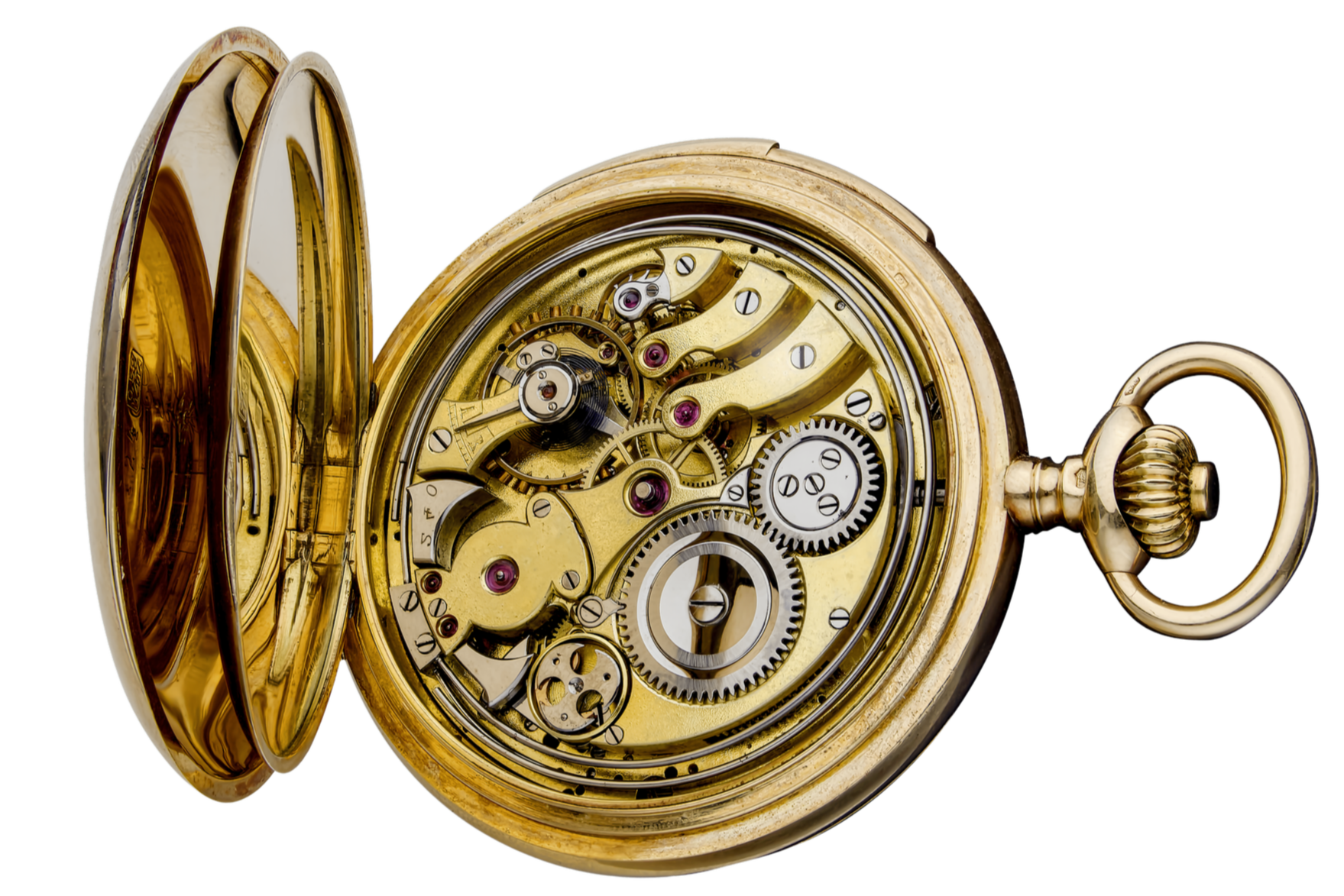
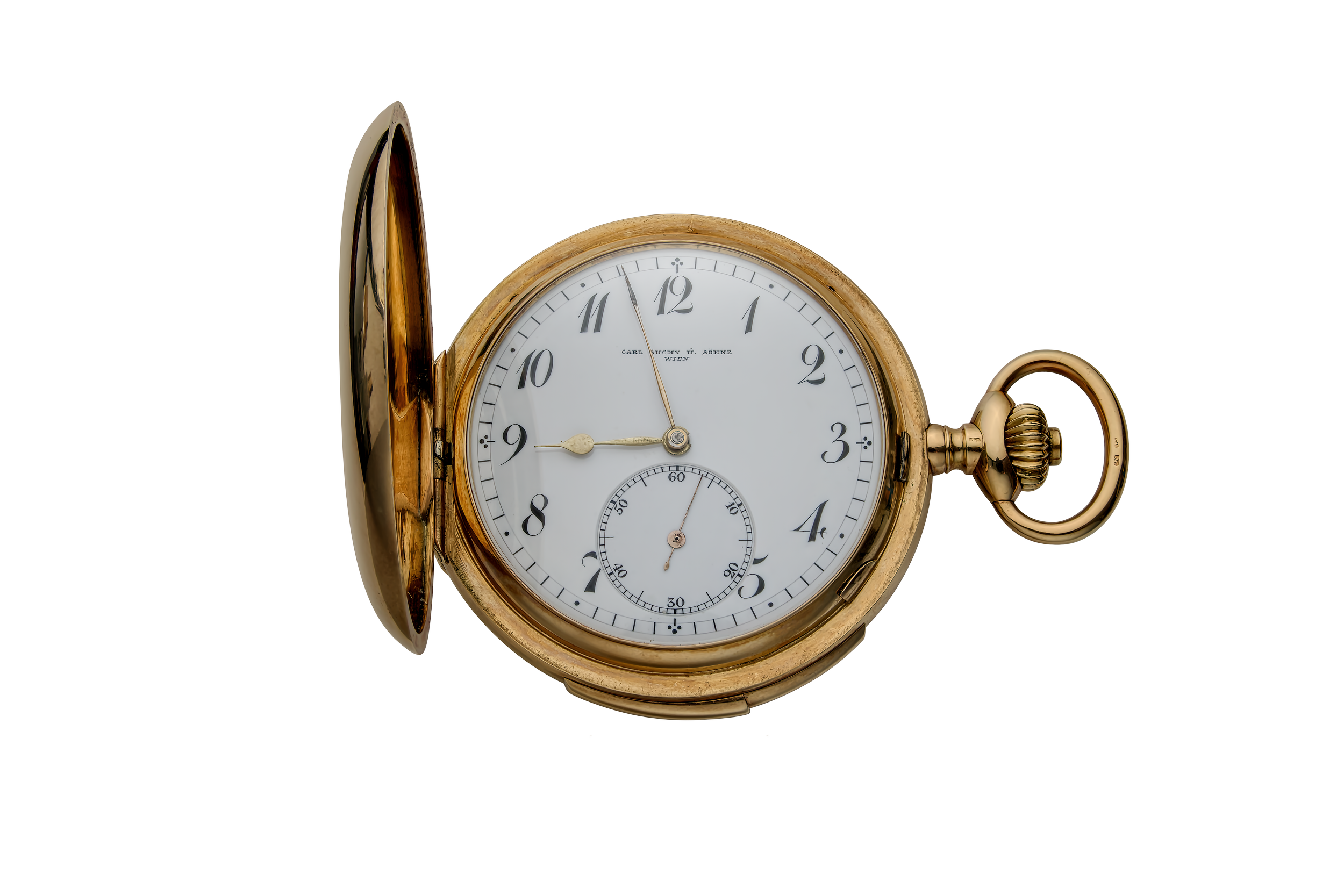
-
Carl Suchy & Söhne look back at a rich history filled with outstanding accomplishments and awards
-
1796
Carl Suchy is born in the historical centre of Prague.
-
until 1812
Suchy completes his apprenticeship as a watchmaker at the famous German watchmaker Franz Lehner.
-
1812–1819
Years of traveling through
Germany and Switzerland. -
1821
Carl Suchy marries Josephine Kroupa in Prague.
-
1822
26-year-old Suchy opens his watch shop in the centre of Prague. His technically advanced pendulum and wall clocks lead to rapid success.
-
1827
Birth of their first, son Carl Suchy Junior.
-
1830
Birth of their second son, Johann Anton, as well as the birth of Franz Joseph I, the future emperor of Austria.
-
1844
Carl Suchy is appointed as the first and for many years the only “Watch Purveyor to the Royal and Imperial Court” due to the fact that “his watches exceed highest expectations in regard to elegance and technical perfection”.
-
1845
Suchy’s sons Carl and Hans complete their apprenticeship with the famous Czech watchmaker Josef Kosek. During their years of travel, they study with the best watchmakers in Switzerland.
-
1848
The coronation of Emperor Franz Joseph I of Austria.
-
1849
As Suchy’s sons join the parental business, it is renamed „Carl Suchy & Söhne” and becomes Austria’s most renowned clock factory.
-
1853
Carl Suchy Junior founds a pocket watch factory in La Chaux-de-Fonds, Switzerland, the hometown of Le Corbusier. The factory doesn’t only supply watches to the family business, but they are also exported to Great Britain.
-
1855–1873
Carl Suchy & Söhne clocks are regularly displayed at the world fairs in Paris, London and Vienna. The trade press recurringly announces them to be the best Austrian products.
-
1858
The Austrian menswear label “Knize” was founded.
-
1862
Artist Gustav Klimt and writer Arthur Schnitzler were born – both will have a tremendous influence on Viennese art
history. -
1863
Suchy’s second son Hans opens a workshop in Rotenturmstraße 6 in the centre of Vienna. Johann Anton takes over the store in Prague. He is also appointed “Purveyor to the Imperial and Royal Court”.
-
1865
The Viennese Ring Road is opened. Austria’s first horse-drawn goes from the Viennese Schottentor to the suburb Hernals.
-
1866
The carpet manufacturer Eduard Haas builds Vienna’s first department store in the immediate neighbourhood of Carl Suchy & Söhne’s store.
-
1866
The founder Carl Suchy dies at the age 70. His youngest son Emanuel takes over the workshop in Prague.
-
1867
The Blue Danube Waltz by Johann Strauß has its premiere in Vienna.
-
1870
The famous architects and designers, Adolf Loos and Josef Hoffmann, were born.
-
1872
Emanuel Suchy founds and manages Prague’s first volunteer fire brigade.
-
1879
Carl Suchy Junior attends the famous Makart procession on the Ring Road, celebrating the twentieth wedding anniversary of Emperor Franz Joseph I and his wife Elisabeth. Suchy is proudly dressed as a watchmaker from the sixteenth century.
-
1886
Sigmund Freud opens his practice in Vienna and develops the method of psychoanalysis.
-
1891
The „Young Vienna Movement“ coins what is still known as the Viennese coffeehouse literature – the meetings and discussions of artists, writers and intellectuals in Viennese cafés shape the literary movement in and around Austria. Some of the most renowned members are Peter Altenberg, Arthur Schnitzler, Hugo von Hoffmannsthal and Stefan Zweig.
-
1894
Emanuel Suchy receives the prestigious Knight’s Cross of the Imperial Order of Franz Joseph I for his great support of the Prague fire brigade.
-
1895
Otto Wagner, one of the most influential architects of his times announces the end of the ornamental historicism – Jugendstil takes its place. Under the banner of modernism, philosophy, literature, music, art, design and architecture blossom.
-
1898
Death of Hans Suchy. His widow, Therese, takes over the shop in the Rotenturmstraße in Vienna. She is also honoured as Purveyor to the Royal and Imperial Court.
-
1907
Adolph Cervinka is the new owner of „Carl Suchy & Söhne“ in Prague. The store moves to the exclusive address Na Příkopě in the center of the city.
-
1918
With the end of the Austro-Hungarian Empire, Carl Suchy & Söhne temporarily takes a creative break.
-
2017
Revived by Robert Punkenhofer, an internationally renowned art and design expert, the Viennese legacy watch brands returns in 2017 to Basel with the Waltz N°1, whose skeleton version is presented in Basel in 2018.
-
2021
Release of the Table Waltz, a new generation table clock, developed over the course of two years. This object d’art was designed by Rainer Mutsch and its CS-T1 in-house movement was engineered by Austrian master watchmaker Therese Wibmer.
-
2022
Carl Suchy & Söhne celebrates its 200th anniversary at Vienna's Belvedere Palace and launches the Table Waltz Jubilee.
-
2023
Launch of the Belvedere collection inspired by the world-famous Belvedere Palace, which stands in the heart of Vienna and was once the residence of Prince Eugene of Savoy.
-
2024
With the launch of the Table Waltz Tourbillon in Geneva, Carl Suchy & Söhne reaffirmed its dedication to rare Viennese craft, presenting a highly complex complication conceived by master watchmaker Therese Wibmer.
-
2025
With the VIENNA, designed by Eric Giroud, Carl Suchy & Söhne presents a timepiece that is an homage to Viennese Modernism.